

Most golfers do not struggle because they care too little. They struggle because consistent practice is hard to fit into real life. Work gets busy. Weather changes. Driving to the range takes time. A quick nine turns into half a day. Even golfers who love the game often go too long between quality practice sessions.
That is where a home golf simulator changes everything.
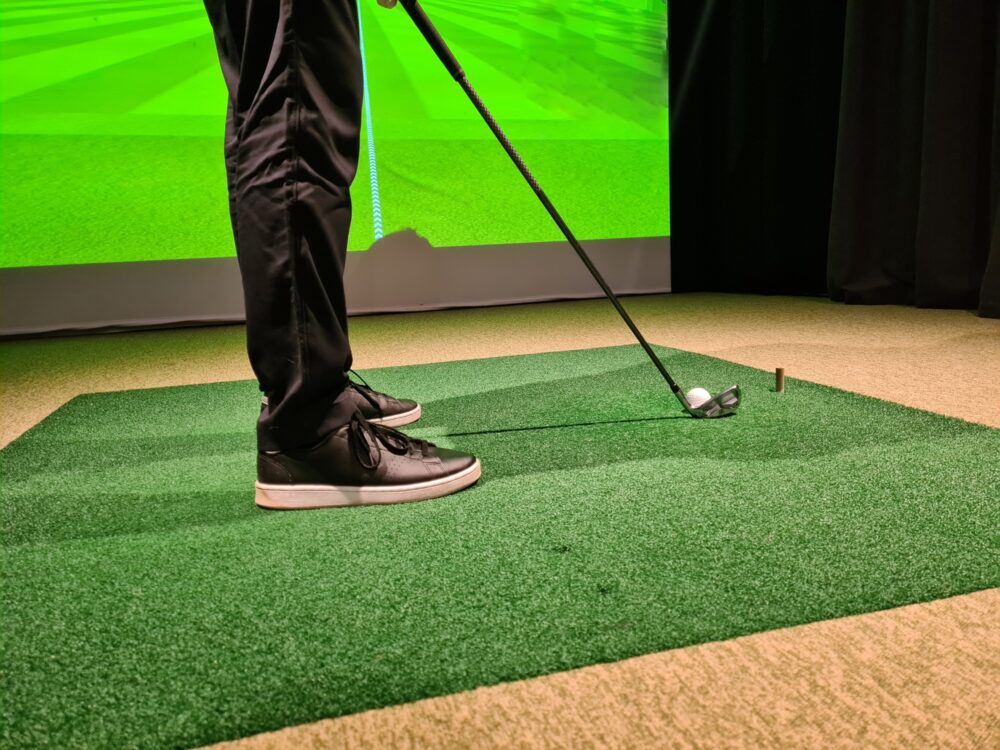
A home golf simulator does more than bring golf indoors. It makes practice easier to start, easier to repeat, and easier to measure. That consistency helps golfers build better habits. Better habits lead to better shots. Better shots lead to lower scores.
For golfers in Dallas, that benefit becomes even more important. Summer heat can wear you out before a practice session even begins. Storms can cancel range plans. Busy schedules make it hard to get enough reps. A simulator gives you a place to work on your game whenever you want, right at home.
Practice Happens More Often When It Is Easy
The biggest benefit of a home golf simulator is simple. You practice more because the barrier to practice gets smaller.
Think about what it takes to visit a range or course. You need time to drive there, warm up, hit balls, maybe wait for a stall, then drive back. That turns a short practice session into a much bigger commitment. Many golfers skip practice not because they lack motivation, but because the process takes too much time.
A home golf simulator changes that. You can walk into the room, hit a few wedges, work through a short session with your irons, or play a few holes in the evening. Even 20 or 30 minutes becomes useful when the setup is already there.
That kind of access leads to frequency. Frequency leads to improvement. Golf rewards repetition. A player who practices three or four times a week in shorter sessions often improves faster than someone who spends one long session at the range every other week.
You Get Better Feedback Than You Do at a Normal Range
Many golfers hit a bucket of balls without learning much. They see the shot fly, but they do not always know why it curved, launched low, or came up short. That slows progress.
A home golf simulator gives you more than ball flight. Advanced launch monitor technology can show you details like:
- Club path
- Face angle
- Ball speed
- Club speed
- Spin rate
- Angle of attack
- Strike quality
- Impact video on some systems
That information helps you connect cause and effect. You stop guessing. You start seeing patterns.
For example, a golfer may think they are pulling a shot because they swing too far left, but the simulator may show the club face closes too early. That changes the practice plan right away. Instead of repeating the wrong fix, the golfer can work on the real issue.
That kind of feedback helps golfers improve faster because every session becomes more focused.
Short Practice Sessions Become More Productive
A lot of golfers think practice only counts if they hit a large bucket of balls or spend hours working on the game. That mindset keeps people from practicing at all.
A simulator makes short sessions matter.
You can spend 15 minutes working on half wedges. You can hit 20 seven irons and focus on centered contact. You can practice tee shots with your driver before a Saturday round. You can work on start lines and distance control without leaving home.
Small sessions add up. They also reduce fatigue. Many golfers practice poorly when they hit too many shots in one session. The body gets tired. Focus drops. Contact gets sloppy. A shorter home session can often produce better work than a long range session filled with rushed swings.
That is one reason home golf simulators help golfers shoot lower. They support better quality practice, not just more practice.
You Can Work on Specific Weaknesses
Lower scores usually come from fixing specific problems, not from making random swings.
A simulator helps golfers target weak areas with more precision. You can build a session around one issue at a time. That may mean:
- Dialing in carry distances with scoring irons
- Working on driver control
- Improving face control with mid irons
- Practicing starts lines with wedges
- Building confidence with longer clubs
Instead of just hitting balls, you can practice with a clear goal. That gives each session structure. Structured practice leads to better results on the course.
A golfer who knows they struggle with approach shots from 120 to 150 yards can use the simulator to close that gap. A golfer who loses strokes off the tee can focus on launch, spin, and direction with the driver. The more specific the work becomes, the more the scores can drop.
You Can Practice in Dallas Heat Without Draining Energy
Golf in Dallas comes with great playing months, but the summer heat can make practice tough. A trip to the range in the middle of the afternoon can wear you down fast. Even motivated golfers sometimes avoid practice because they do not want to fight the temperature.
A home golf simulator solves that problem.
Indoor practice gives you a more comfortable environment. You stay focused on the swing instead of dealing with heat, sweat, or weather. That matters more than many people realize. Good practice depends on energy and attention. A comfortable environment helps both.
Dallas golfers can keep working on their game year round, even during the hottest weeks of summer. That consistency is one of the biggest reasons simulator owners keep improving while others take long breaks from training.
Repetition Builds Confidence
One of the biggest differences between golfers who score well and golfers who struggle is trust. Better players trust their motion, their yardages, and their decision making.
That trust comes from repetition.
A home golf simulator gives you more chances to repeat good swings and reinforce good habits. You hit more shots with intention. You learn your carry distances. You get used to seeing the ball start on line. You become more comfortable with the clubs that used to make you nervous.
Confidence on the course rarely appears by accident. It usually comes from knowing you have already done the work.
When a golfer has practiced a specific shot dozens of times indoors, they step onto the course with less doubt. That change in mindset can save a surprising number of strokes.
It Helps With Gapping and Distance Control
A lot of golfers lose shots not because they hit terrible swings, but because they do not know their numbers. They think a club goes one distance, but their real carry yardage tells a different story.
A simulator helps golfers learn:
- True carry distance
- Yardage gaps between clubs
- Differences between full and partial swings
- Launch and spin patterns
- How solid contact changes results
That information can make course management much better. You stop guessing between clubs. You start choosing shots with more confidence.
Distance control matters everywhere, but it matters even more with wedges and short irons. Better wedge distances can lead to closer approach shots, fewer missed greens, and more realistic birdie chances.
It Makes Practice More Enjoyable
Enjoyment matters. Golfers stick with practice longer when they actually like doing it.
A home golf simulator can make training feel fun, not repetitive. You can switch between practice mode, course play, skills challenges, and multiplayer games. You can work on your swing one day and play a world famous course the next. Some systems even allow up to five players with profile tracking and game modes.
That mix of improvement and entertainment helps people stay engaged. A golfer who enjoys using the simulator will use it more. More use leads to more reps. More reps lead to better performance on the course.
For many families in Dallas, the simulator becomes more than a practice tool. It becomes a place to spend time together. That added value helps the owner get even more use out of the setup.
Better Practice Leads to Better Scoring Decisions
Shooting lower is not only about better mechanics. It is also about better decisions.
A golfer who knows their distances more clearly makes smarter club choices. A golfer who practices under simulated course conditions learns how to manage holes better. A golfer who understands their typical shot shape can aim more intelligently.
A simulator helps with all of that.
Virtual course play can sharpen strategy. Shot data can reveal patterns. Practice can help the golfer understand what kind of swing shows up most often. That self awareness helps reduce bad decisions, and bad decisions cost a lot of strokes.
Lower scores often come from fewer mistakes, not just more highlight shots.
A Custom Setup Makes the Experience Better
Not every simulator room performs the same way. The room layout, screen placement, launch monitor position, and hitting area all affect how useful the simulator becomes.
That is why custom golf simulator design and installation matter. A well designed room supports natural swings, accurate data, and an experience you actually want to use. A poor setup can make practice feel awkward or unreliable.
When the room fits the golfer and the technology fits the room, practice becomes smoother and more consistent. That is where the real value shows up.
Why It Helps You Shoot Lower
A home golf simulator helps golfers shoot lower because it improves the part of golf that usually gets neglected: consistent, focused practice.
- You practice more often.
- You get better feedback.
- You build trust in your numbers.
- You work on weaknesses with purpose.
- You improve in a more comfortable environment.
- You turn small sessions into real progress.
- That combination adds up.
Lower scores do not usually come from one magic lesson or one lucky round. They come from better habits repeated over time. A home golf simulator makes those habits easier to build.
FAQs About Home Golf Simulators in Dallas, TX
Can a home golf simulator really help lower my scores?
Yes. It helps you practice more consistently, learn your numbers, and work on specific weaknesses with better feedback.
What can I practice on a home golf simulator?
You can work on full swings, wedge distances, driver control, course play, and in many setups, putting and short game skills.
Is a home golf simulator useful for beginners?
Yes. Beginners can build confidence faster because they get clear feedback and more chances to practice without pressure.
Do Dallas golfers benefit more from indoor golf because of the weather?
Yes. Dallas heat and storms can limit outdoor practice, so indoor golf helps you stay consistent year round.
Can a simulator help me learn my club distances better?
Yes. A simulator can show true carry distances and gaps between clubs, which improves club selection and course management.
Call 19th Hole Golf Simulators at 972-898-0419 to create a custom home golf simulator in Dallas that helps you practice more and play better.